About · Faiz Hayaza
Clinical science, in a way that is deeply human.
For twenty years I have walked alongside children, teens, and families as they understand how their own minds work, especially in ADHD, giftedness, and twice-exceptional profiles.
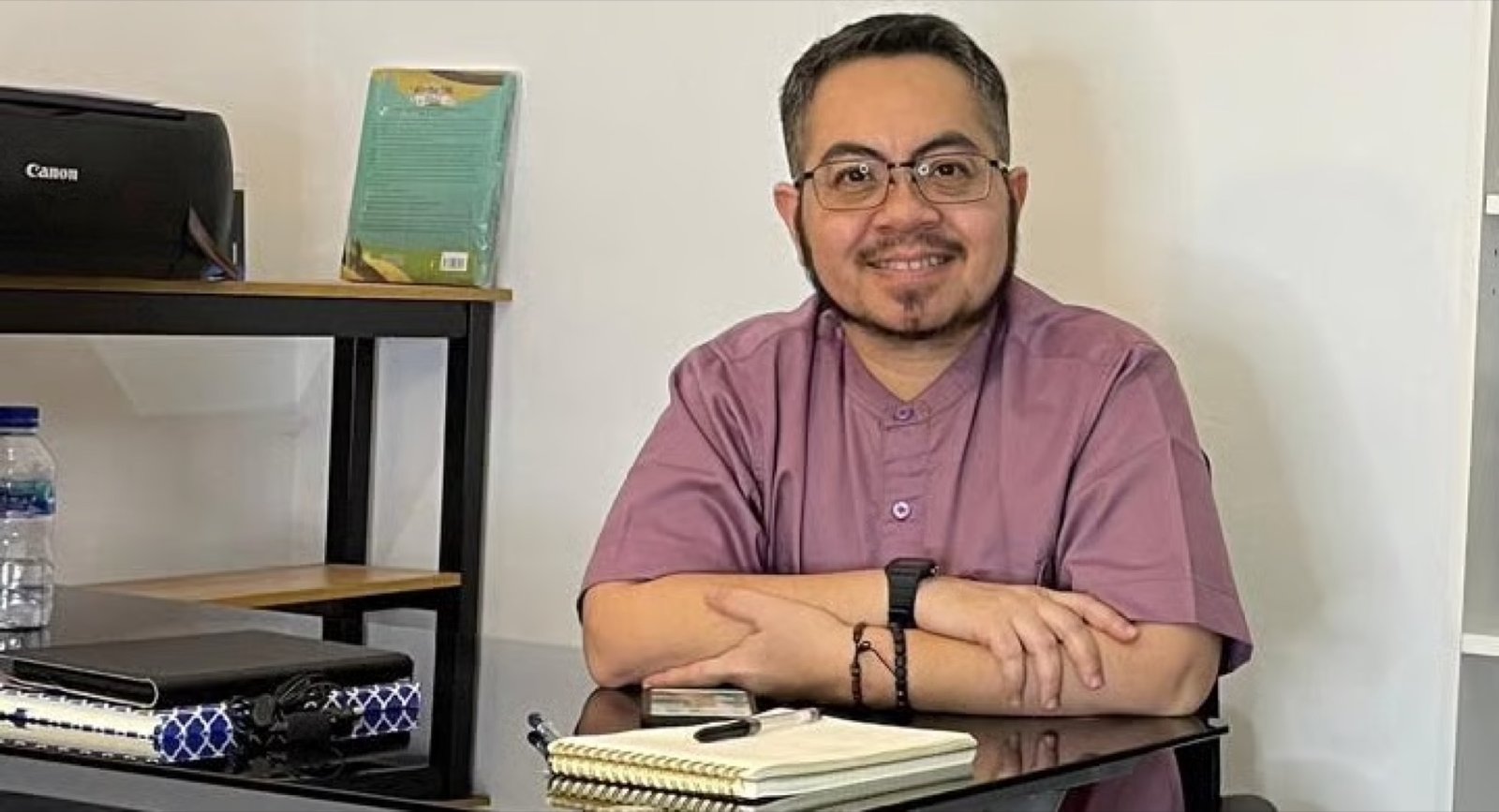
To me, there is no such thing as a difficult child. There is only a way of thinking not yet understood, and an adult who has not yet found the way in.
01 — The journey
From the consulting room, and from home.
From the lecture hall to the consulting room
I took up clinical psychology out of one simple curiosity: why does everyone understand the world in their own way. That question still hasn't fully been answered for me.
Then the lessons came from home
Raising a neurodivergent child changed how I work. I learned that even the tidiest theory means nothing if it doesn't help one family feel a little lighter at the end of the day.
A diagnosis is a map, not a label
Since then I stopped reading assessment results as a verdict. They are only a map: showing where a person's strengths are, and where they need company. The rest is about direction, not limits.
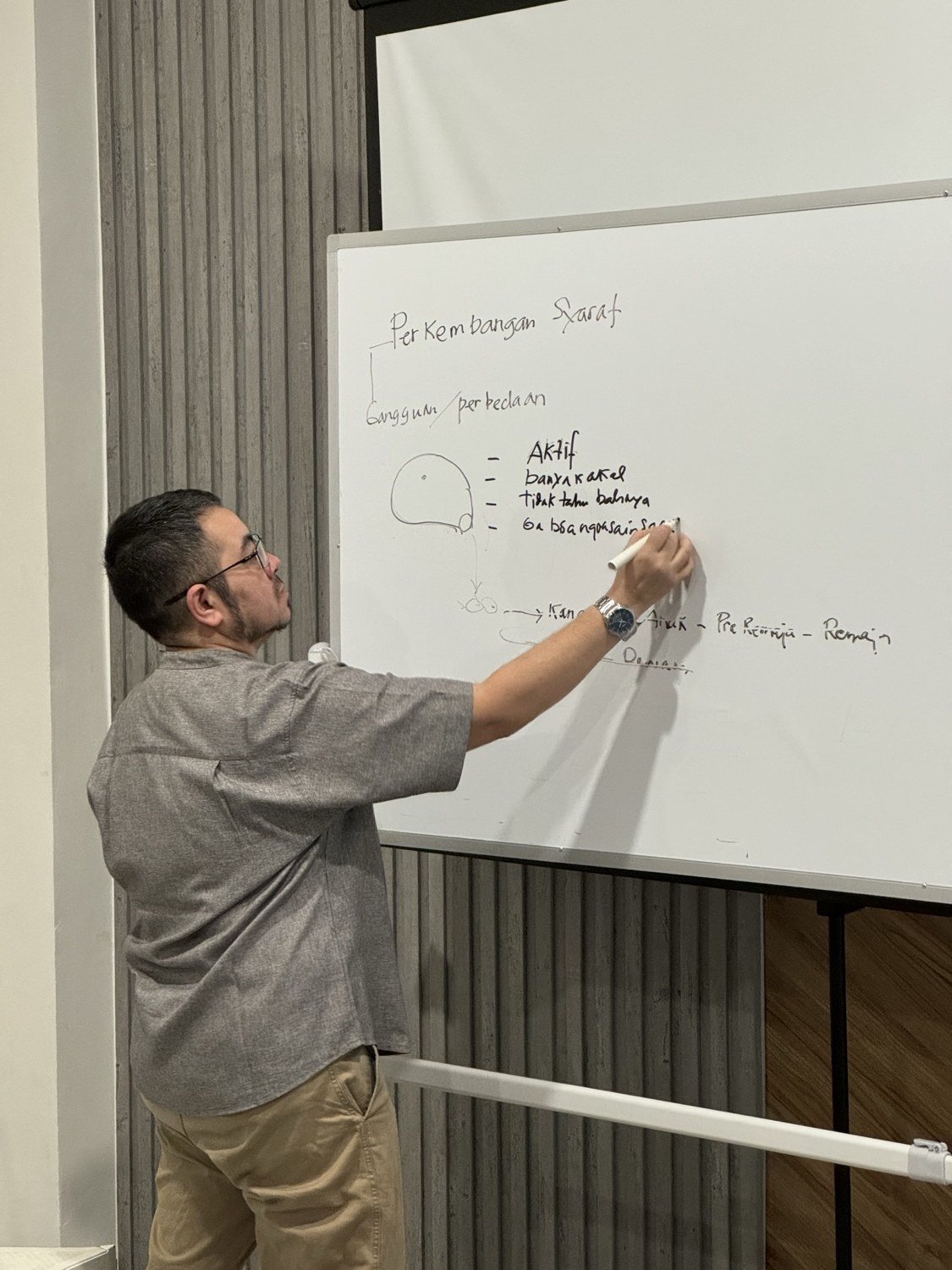
Supporting all ages, in two languages
Today I work with children, teens, adults, couples, and families. Some sessions are in Indonesian, some in English, depending on who feels most at home in which language.
Two decades, one unchanging principle.
- 20+
- years of experience
- 50+
- institutional partners
- 100+
- events & activities
- APA
- registered member
02 — How I work
What the process usually looks like.
No two people walk exactly the same path. But the broad outline tends to look like this, and we adjust along the way.
Listening first, before anything else
The first session is almost always about listening, observing, and digging a little deeper. What is happening, since when, and what has already been tried.
Mapping when needed
If needed, we run an assessment to see a fuller picture. The goal is to understand, not to label.
Setting a plan together
Goals are decided together, with measures that are realistic and make sense for your daily life or your child's.
Ongoing support
Regular sessions, with room to review and adjust the steps along the way, not a one-time fix.
Collaborating with those around you
Where relevant, I work with schools, doctors, or other family members so the support feels connected.
Everyone deserves to be understood first, before being judged.
The first step is usually the hardest. Let's start gently.
You don't have to wait until everything is clear. Tell me first what you or your child is feeling, and together we'll find the step that makes the most sense.
Online session
Via video call, wherever you are.
In-person session
Meet directly in Yogyakarta.
Flexible schedule
Pick the time that suits you best.